
Category: Monthly photo competition
Protected: Photograph Competition March 2021
Protected: Photograph Competition February 2021
Protected: Photograph Competition December 2020
Protected: Photograph Competition November 2020
Protected: Photograph Competition September 2020
Petalochilus – when use of a segregate or common name is helpful
The following article is from the Native Orchid Society of South Australia Journal Volume 44 No 7, author Rosalie Lawrence.
Over the years there have been many orchid name changes (particularly at genus level), some quite drastic, some multiple times and for many there can be a reversion back. Yes, this creates confusion but there are times when some of these name changes, known as segregates (both at species and genus level) can be useful.
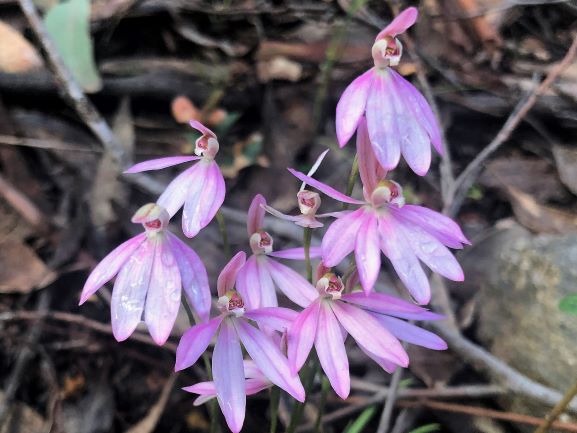
A case in point, is Lindsay Ames’ winning photograph (June) – Caladenia carnea synonym Petalochilus carneus. Petalochilus was proposed as a genus in 2001 by DL Jones, MA Clements, et al. It was one of many proposed genera changes. Many discussion papers followed but in 2015 after further taxonomic and DNA work, Mark Clements et al published a paper that “points to Lindley’s 1840 interpretation of Caladenia (…..) as being the most accurate reflection of the group.” Hence the discontinued use of Petalochilus and the other segregate genera.
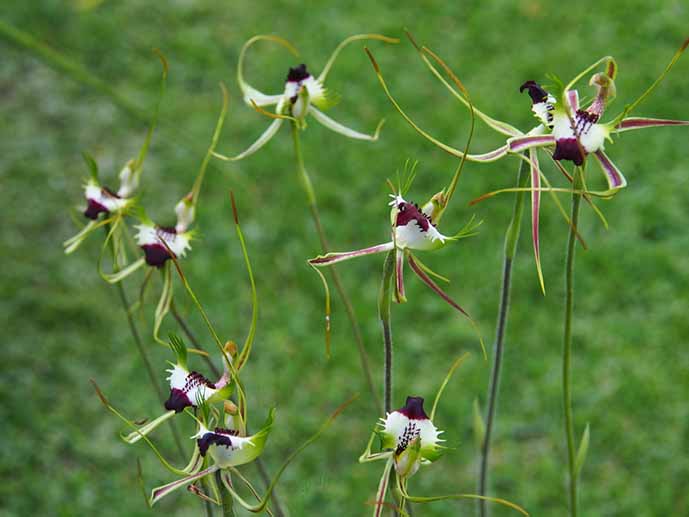
So, it currently belongs with Caladenia, a large genus with over 350 species (mainly in Australia). It is a genus with great morphological (visual) diversity – compare Caladenia tentaculata with C. cucullata or C. flava. But Caladenia
subgenera Caladenia (synonym Petalochilus*), as a much smaller segregate genus allows us to visualize a specific group within the Caladenia genus.
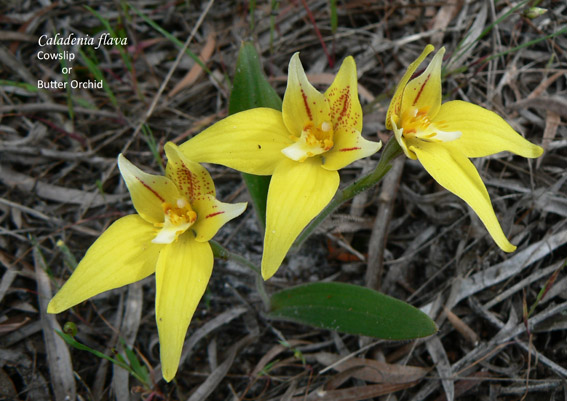
Caladenia sens. lat. are characterised by single hairy leaf, lacking lobes or serrations; hairy stem; showy flowers with similar sepals & petals. The labellum is highly modified consisting of three lobes with calli on the middle lobe.
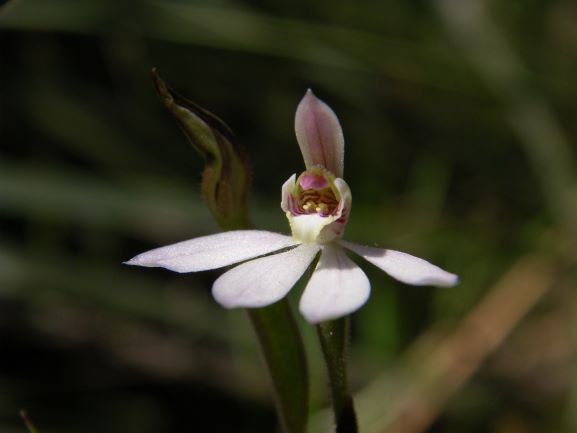
Petalochilus is further characterised by small (1 – 5 cm) pink to white flowers,
short broad forward projecting tepals; erect to slightly incurved dorsal sepal,
distinct trilobe labellum, hinged, with calli and red transverse bars, column
green to pink with red to purple bars.
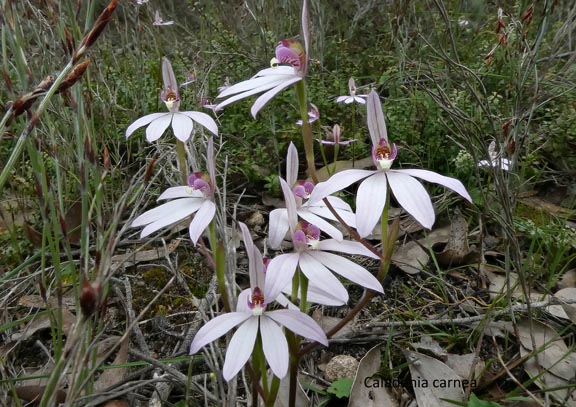
Yet within Petalochilus itself there can be further groupings of which P carneus is most likely the main one. This consists of at least 8 species – P carneus (C carnea), P catenatus (C catenata), P coactilis (C coactilis), P fuscatus (C fuscata), P ornatus (C ornata), P prolatus (C prolata) , P. vulgaris (C vulgaris) and P xantholeucus (C xantholeuca). When a specimen cannot be identified to species level, it may be helpful to refer to it as a complex.
This is where comes the fun of trying to identify the specific species in the field (or for that matter from a photograph). To help myself understand, I often produce comparison charts based on descriptions found in the literature. The chart comparing the eight species is available as a pdf.
*Throughout the article the synonym Petalochilus is used for Caladenia subgenera Caladenia to make a clear distinction from Caladenia sens lat. It needs
to be noted C carnea is considered the type specimen for Caladenia so with any splits, it will remain in Caladenia.
References
Backhouse G et al,Bush Gems: a guide to the Wild Orchids of Victoria 2016
Bates R B South Australia’s Native Orchids 2011
Clements MA, et al, Caladenia Revisited: Results of Molecular Phylogenetic Analyses of Caladeniinae Plastid and Nuclear Loci 2015
Jones DJ, A Complete Guide to Australian Orchids including it Territories and Islands 2006
https://en.wikipedia.org/wiki/Caladenia Accessed 3 August 2020
https://www.pacificbulbsociety.org/pbswiki/index.php/Petalochilus Accessed 3 August 2020
Thank you to Andrew Brown for reviewing this article.
Protected: Photograph Competition August 2020
Protected: Photograph Competition June 2020
South Australia’s Arachnorchis cardiochila
The following article, March Winning Photograph, is from Volume 44 no 4, May 2020 Native Orchid Society of South Australia Journal.
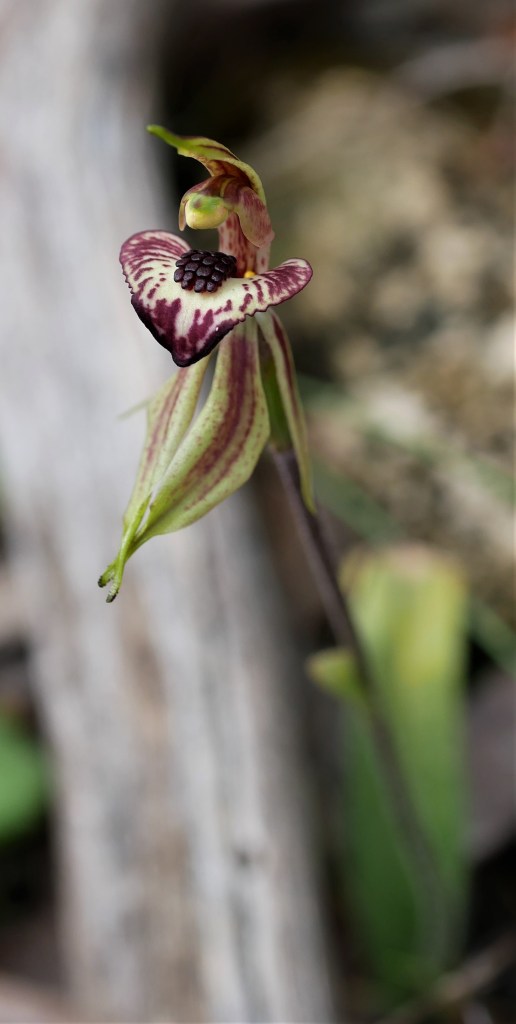
Pauline Myers’ Arachnorchis cardiochila was the winning picture. Synonyms for Arachnorchis cardiochila are Caladenia cardiochila, Phlebochilus cardiochilus and Caladenia tessellata. Common names include Heart Lipped Spider Orchid, Thick Lipped Spider Orchid, Fleshy Lipped Caladenia.
This species was named in 1886 by Professor Tate who presented it at the Royal Society of South australia at the October meeting. He did the original drawing.
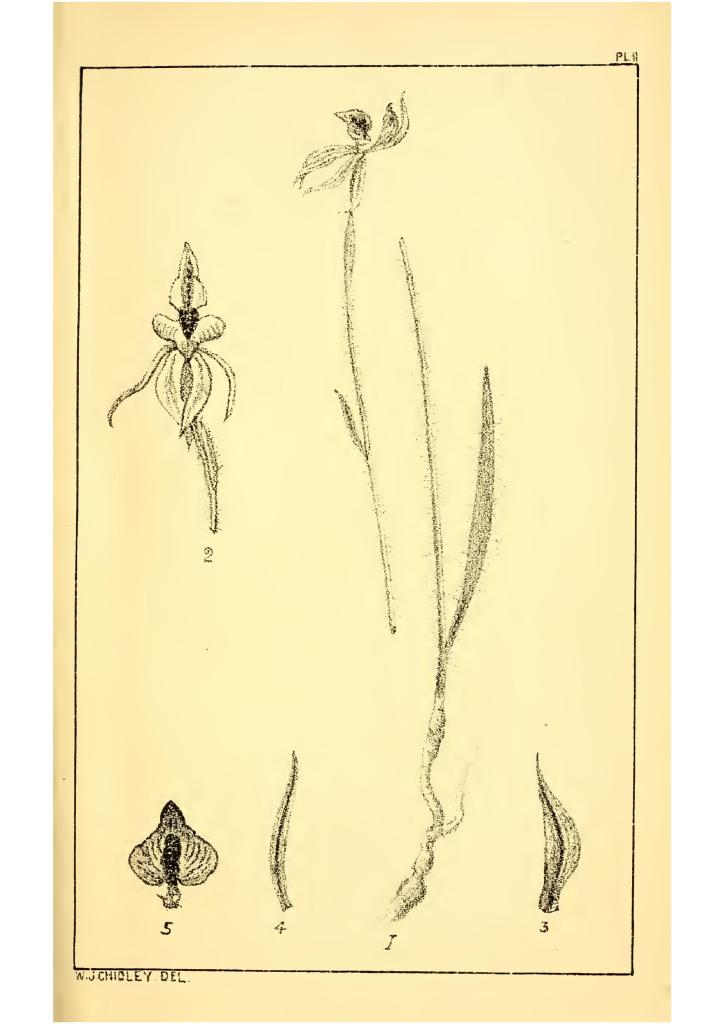
The type specimen was collected at Golden Grove on October 2 1886 but it had also been collected much earlier (1865) at Barraba Scrub which is in the region of Mallalla.
Its fate in both these areas has not been good; it is extinct in Golden Grove and critically endangered in the region containing Barabba Scrub. Although, it is considered to be a reasonably common orchid throughout its range in South Australia, Victoria and Southern New South Wales, there are areas of concern as seen the Seedbank of South Australia map below.
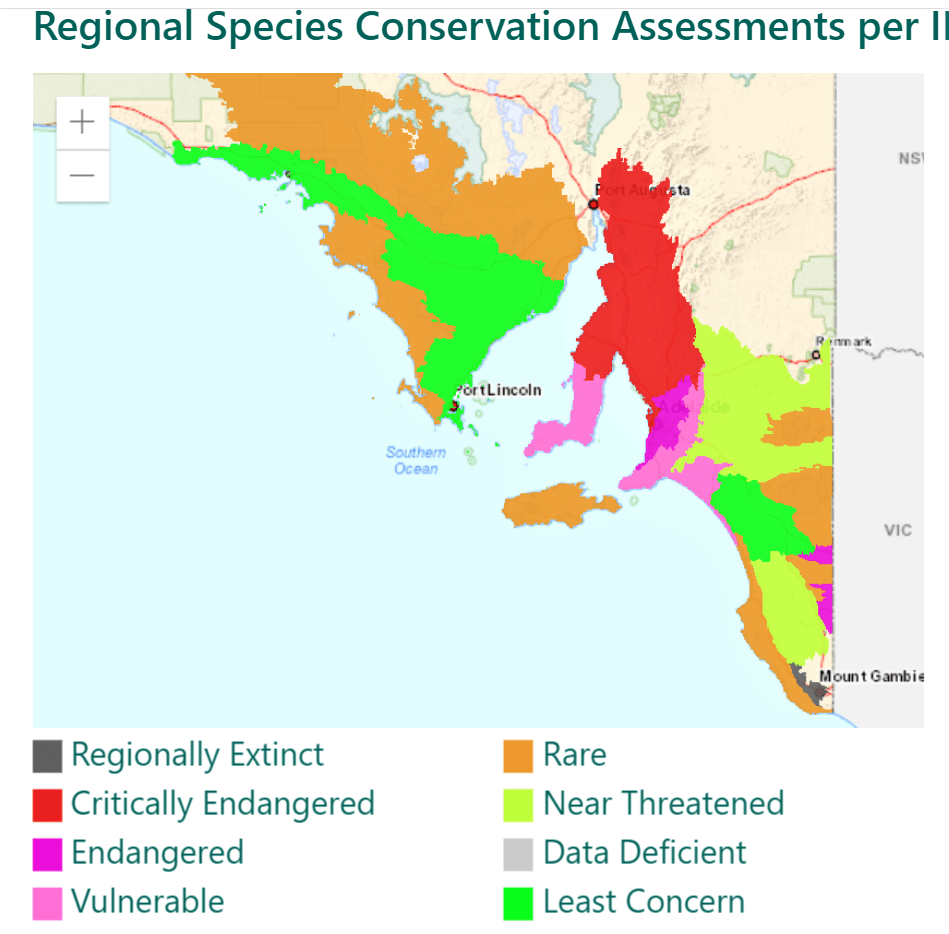
It should be noted that though Caladenia tessallata is listed as a synonym that this was used incorrectly, as C. tessallata is a separate but similar species found in the eastern states. Its main difference from C. cardiochila is that the edge of the labellum (lip) is toothed, not smooth as seen in Pauline’s photo.
 NOSSA
NOSSA 